



The 1960s marked a decisive shift in Britain’s direction.
National Service formally ended in 1960, concluding a programme that had seen more than two million British men complete compulsory military training since 1949. The familiarity of uniform remained embedded in civilian life, but the nation itself was changing.

Commercial jet travel accelerated rapidly during the decade. By the mid-1960s, British Overseas Airways Corporation’s (BOAC) Boeing 707 fleet was connecting Britain to North America, Africa and Asia in hours rather than days.
Diplomats, engineers and businessmen travelled further and more frequently. Britain was outward-facing once again.
Garments adapted accordingly.
Diplomats, engineers and businessmen travelled further and more frequently. Britain was outward-facing once again.
Garments adapted accordingly.
Military silhouettes did not disappear. Flight jackets, naval coats and structured blousons retained their authority. But fabric began to respond to movement and climate. Heavy post-war woollens, meltons and baratheas were joined by lighter constructions. Linen blends offered breathability without surrendering structure. Ventilated cotton, first developed for tropical service, found new relevance beyond the battlefield.

Clothing was no longer shaped solely by conflict. It was shaped by transit, climate and global mobility. The form remained disciplined. The fabric adapted.
Manchester continued to underpin that shift. Though Britain’s textile dominance was beginning to contract, Lancashire mills were still producing cloth for domestic and international markets. The city that had once processed more cotton than the rest of the world combined remained a manufacturing force, exporting not just fabric, but standards.

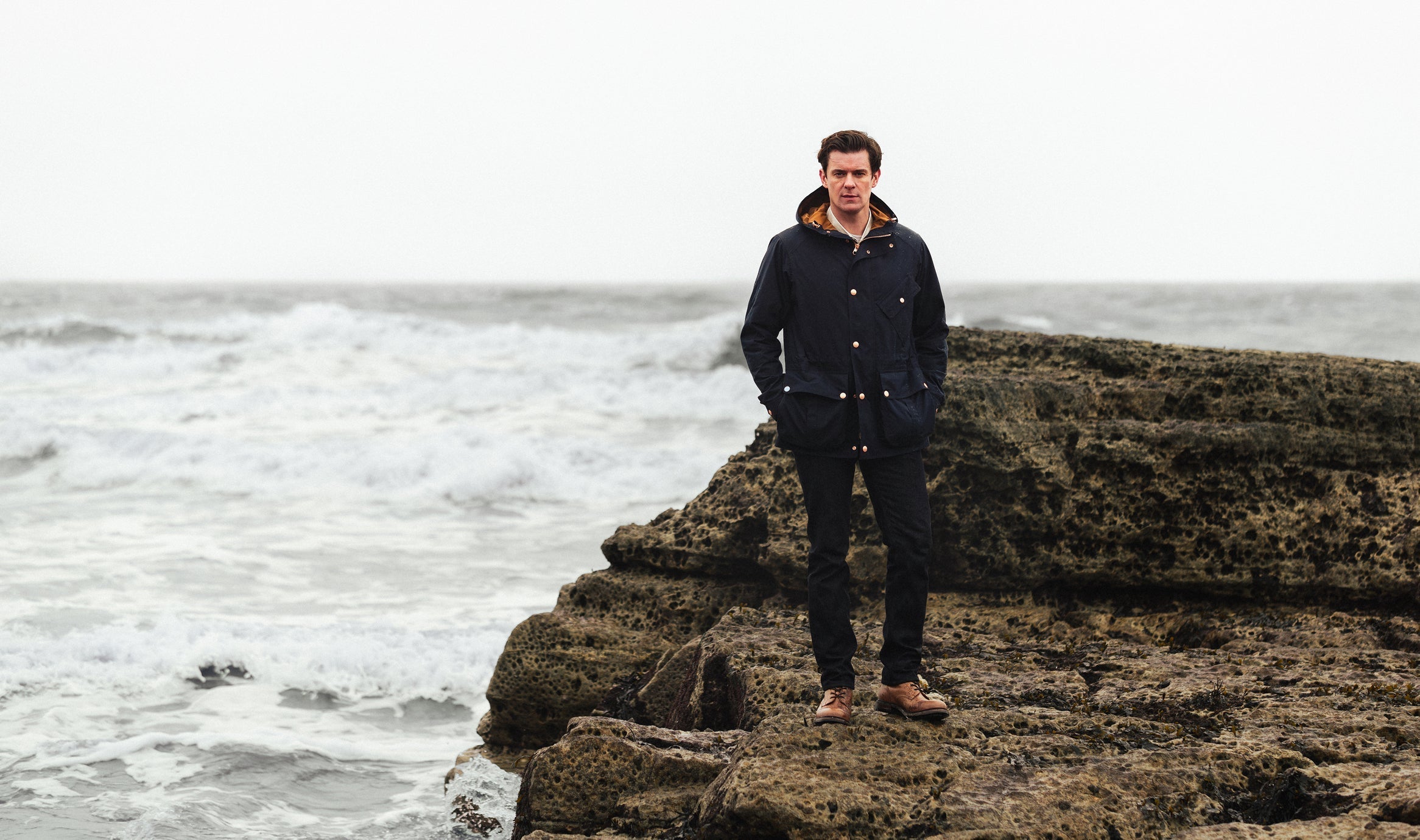
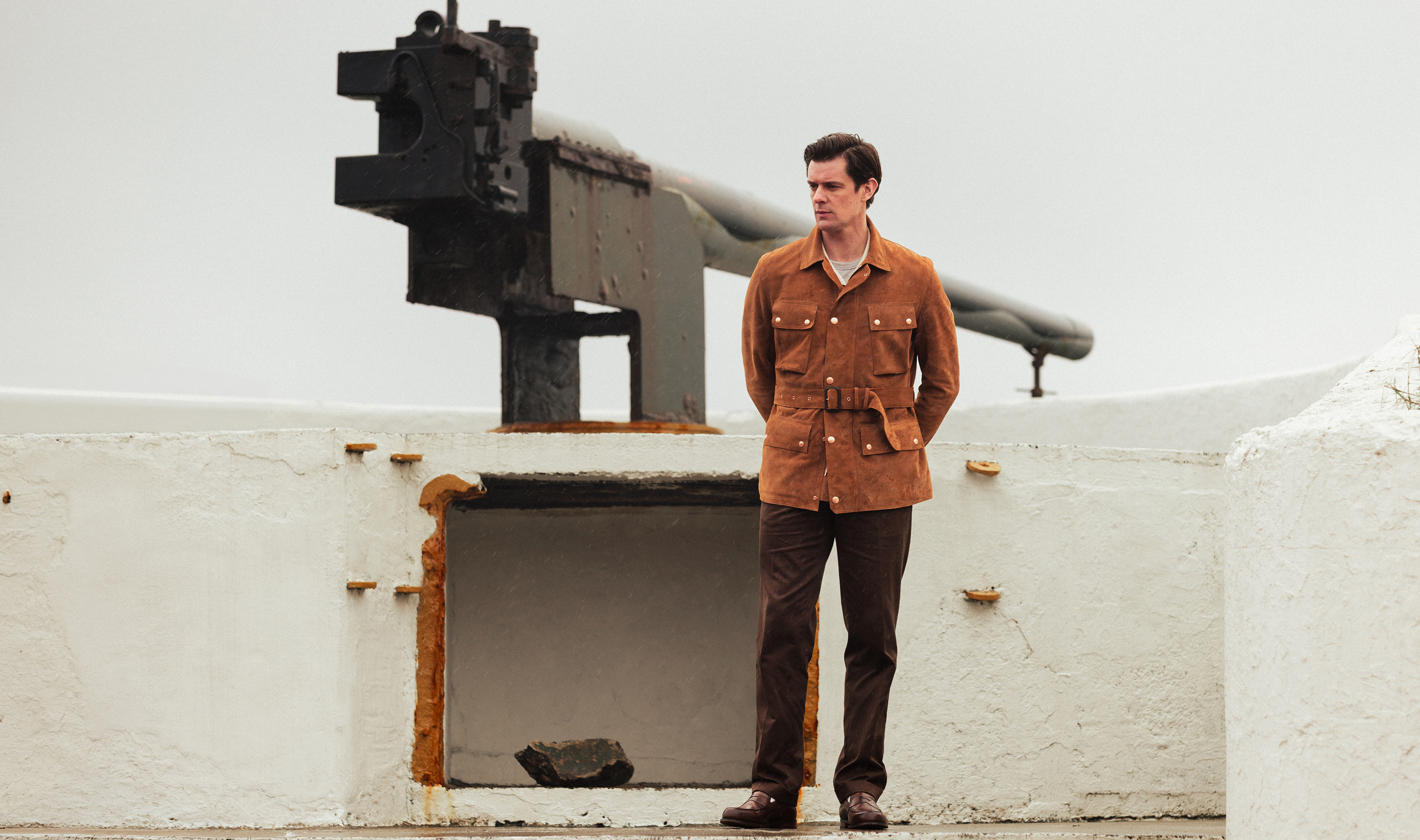
This was the decade in which military design fully entered civilian life. The Harrington silhouette gained prominence. Lightweight blousons and structured, unlined jackets became staples. Utility was no longer issued. It was chosen.


Those principles remain visible today. Linen-wool blends, ventilated cotton and lighter-weight outerwear reflect that inflection point in British dress. Garments built for movement. Designed for warmer climates. Constructed with the same discipline that defined their origins.
The decade did not abandon uniform. It carried it forward.
The decade did not abandon uniform. It carried it forward.



Leave a comment
This site is protected by hCaptcha and the hCaptcha Privacy Policy and Terms of Service apply.